


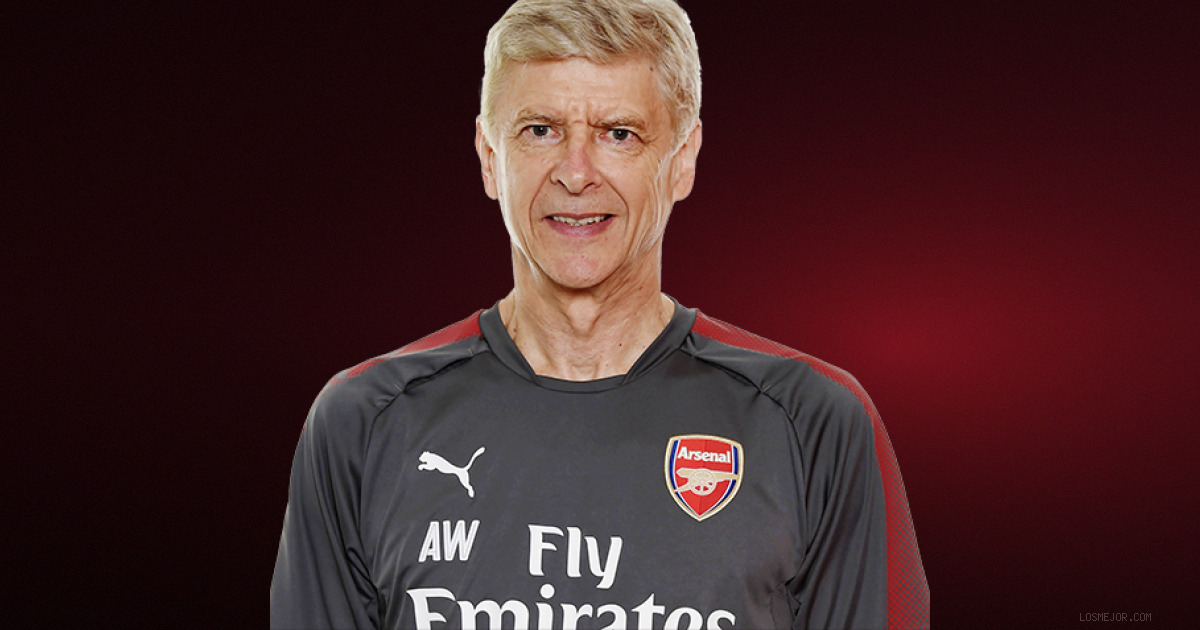
Arsène Wenger, the legendary former Arsenal manager, has been thrust back into the spotlight as a growing coalition of football stakeholders calls for him to run for the FIFA presidency. The call comes at a time when the governing body is under scrutiny for its handling of the 2026 World Cup bidding process and its recent governance reforms.
Who Is Making the Call?
According to several Sunday newspapers, a consortium of club presidents, former national team coaches and a handful of influential players have publicly urged Wenger to step forward. They argue that his long-standing reputation for integrity, his experience in club and international football, and his track record of promoting youth development make him a strong candidate to steer FIFA through its current challenges.
Why Wenger Now?
Wenger’s name has resurfaced after he publicly criticised the FIFA executive committee’s decision to award the 2026 World Cup to the United States, Canada and Mexico without a transparent bidding process. He has called for a “new era of transparency and accountability” at the top of the sport. His stance has resonated with many who feel that the current leadership has become too insulated.
The Stakes for FIFA
FIFA’s presidency is set to expire in 2028, and the organization is currently in a transition phase following the resignation of its former president. A new leader is needed to restore confidence among member associations, sponsors and fans. Wenger’s potential candidacy could bring a fresh perspective and a commitment to reform that the current board has struggled to deliver.
Potential Challenges for Wenger
Running for FIFA is a monumental undertaking. Wenger would need to navigate a complex political landscape, secure backing from a wide range of national associations, and address the expectations of a global fan base. His previous experience as a club manager may not directly translate to the intricacies of international governance, but his reputation could provide an advantage in rallying support.
Impact on Club Football
If Wenger were to win the presidency, club football could see renewed emphasis on governance reforms, especially concerning financial fair play and the distribution of revenue from international tournaments. His advocacy for youth academies at the club level could also influence FIFA’s policy on development programmes worldwide.
What Happens Next?
Wenger has not yet confirmed whether he will run. The consortium has requested a formal interview with him to gauge his interest. Meanwhile, FIFA’s executive committee is expected to hold a meeting later this month to discuss the upcoming presidential election and the potential candidates.
FAQs
Will Wenger’s candidacy change FIFA’s approach to World Cup bidding? If elected, he is likely to push for more transparent bidding processes and stricter oversight of host nation selections.
Has Wenger expressed interest in a FIFA role before? He has publicly called for reform but has not previously announced any intention to run for an official position within FIFA.
What are the main criticisms of the current FIFA leadership? Critics point to a lack of transparency, allegations of corruption, and a perceived disconnect between FIFA and the global football community.
Wenger’s reputation for honesty and his passion for development make him a compelling choice. If he steps into the role, FIFA could finally break free from its legacy of opaque decision‑making.
A Wenger presidency could usher in stricter governance, a focus on youth development, and a more transparent bidding process for major tournaments.
Frequently Asked Questions
If elected, he is likely to push for more transparent bidding processes and stricter oversight of host nation selections.
He has publicly called for reform but has not previously announced any intention to run for an official position within FIFA.
Critics point to a lack of transparency, allegations of corruption, and a perceived disconnect between FIFA and the global football community.