


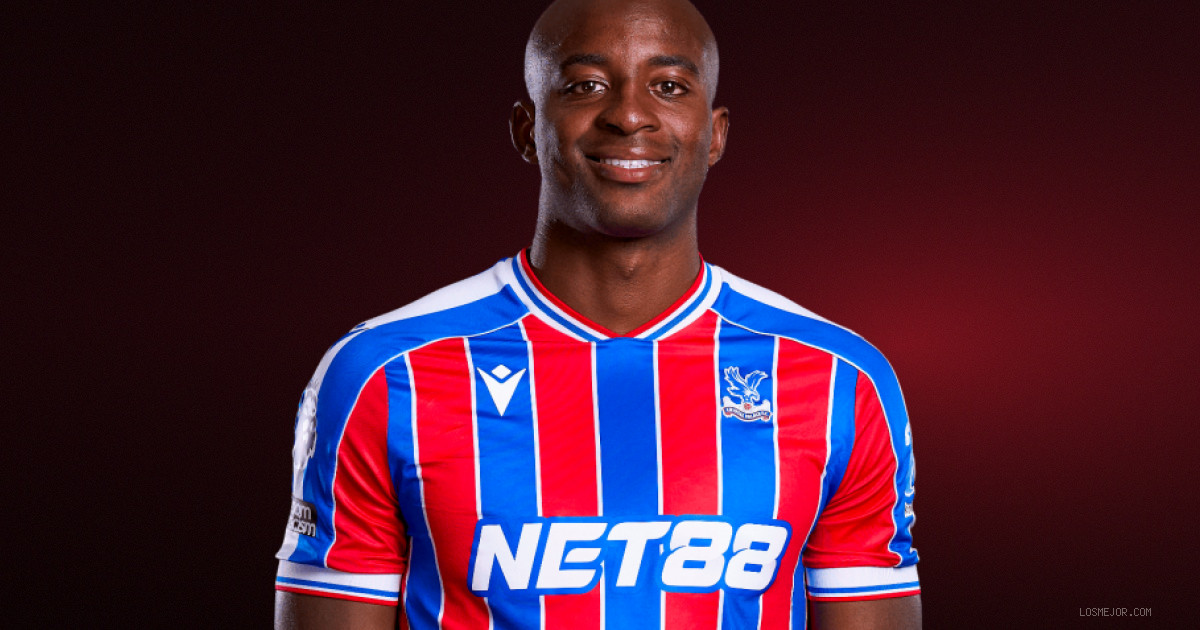
Jean‑Philippe Mateta, the French striker who had impressed for Crystal Palace, saw a summer move to Serie A giants AC Milan evaporate after a routine medical unveiled a deeper knee issue than previously disclosed.
Background: A Deal in the Balance
In January, AC Milan and Crystal Palace appeared close to sealing a €35 million transfer for the 28‑year‑old forward. The agreement promised a fresh start for Mateta in Italy and added firepower to Milan’s attacking line‑up. Expectations ran high, with both clubs announcing the deal as a win‑win for the striker and the Rossoneri.
The Medical Scan That Changed Everything
During the mandatory medical examination, Milan’s doctors identified a problem in Mateta’s right knee that went beyond the swelling that had been managed at Palace. The striker recounted the moment it became clear: “I was going through the medical, and suddenly everything stopped. My knee injury was actually more serious than I had been told.” The scan revealed a lingering meniscus issue that dated back to 2019, when Mateta ruptured the meniscus while playing for Mainz and subsequently spent six months on the sidelines after surgery.
Contrasting Medical Opinions: Milan vs. Palace
AC Milan’s medical team concluded that the condition required further surgical intervention, deeming the risk too high for an immediate transfer. In contrast, Crystal Palace’s medical staff believed that structured therapy and load management would be sufficient to keep the player fit for the remainder of the season. Palace’s manager, Oliver Glasner, later admitted that the news “wasn’t a big surprise,” acknowledging that Mateta had been coping with a swollen knee for months.
Immediate Aftermath: Rest, Treatment, and World Cup Preparation
Although surgery was ruled out, Milan’s assessment forced Mateta onto a strict five‑week rest and rehabilitation program. The recovery plan was designed to ensure he could rejoin the French national squad for the upcoming World Cup, highlighting the broader impact of the medical verdict beyond club football.
Implications for Mateta’s Season and France
Missing a move to AC Milan means Mateta will remain at Crystal Palace, where he must navigate the Premier League campaign without the boost of a high‑profile transfer. Nevertheless, the enforced rest may prove beneficial, allowing him to re‑enter the international stage in peak condition. For Milan, the collapse of the deal underscores their cautious approach to player health, potentially prompting a re‑evaluation of recruitment strategies.
Looking Ahead: Recovery and Future Prospects
Mateta expressed gratitude toward the Milan medical team for uncovering the issue early: “Luckily, they found out exactly what was wrong.” He emphasized that the episode, while disappointing, could be a turning point that prevents a prolonged aggravation of the knee. With the World Cup looming, the striker’s focus now shifts to full fitness, hoping to contribute to France’s ambitions on the global stage.
Milan’s decision to pull the plug on Mateta’s transfer was a masterclass in player‑first policy; it may have cost them a striker, but it safeguards the club’s long‑term health and reputation.
Palace retain a proven Premier League forward, bolstering their attacking options for the season. AC Milan will need to redirect their transfer budget, potentially targeting a player without a lingering medical concern.
Frequently Asked Questions
The transfer collapsed after AC Milan's medical examination revealed a serious knee issue that required additional treatment, prompting the club to withdraw from the €35 million deal.
Medical scans showed a lingering meniscus problem in his right knee, originally sustained in 2019 while playing for Mainz, which was more severe than the swelling previously reported by Crystal Palace.
No. After a five‑week rest and rehabilitation plan, Mateta is expected to be fit in time to join the French national team for the World Cup.