


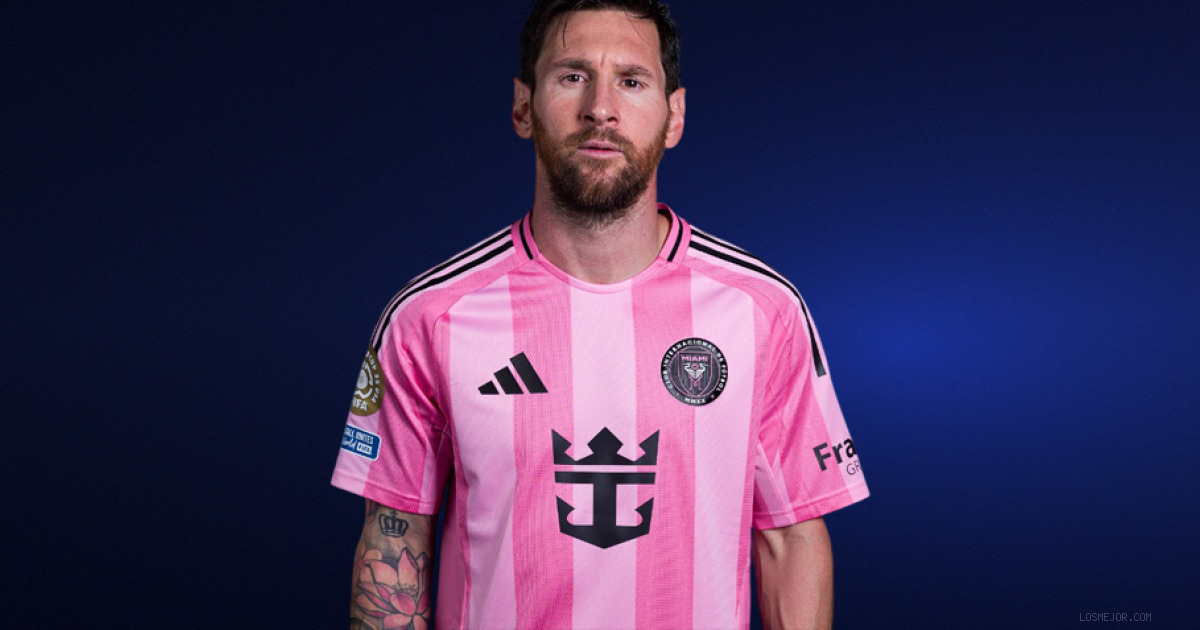
The world of football has witnessed a significant shift in recent years, with the allure of star players seemingly surpassing that of traditional club loyalty. From the mesmerizing skills of Lionel Messi and Cristiano Ronaldo to the emerging talents of Erling Haaland and Jude Bellingham, it appears that young fans are now more invested in the careers of these star names than the fortunes of their favourite clubs.
The Rise of the Superstar
This phenomenon can be attributed to the growing influence of social media, which has enabled fans to connect with their idols on a more personal level. The likes of Messi and Ronaldo have amassed millions of followers across various platforms, allowing them to transcend their respective clubs and become global icons. As a result, fans are now more likely to follow the progress of these stars, even if it means switching their allegiance to a different club.
Implications for Clubs
This shift in fan loyalty has significant implications for clubs, who must now adapt to a new reality where the draw of a particular player can be a major factor in attracting supporters. Clubs like Barcelona and Juventus, who have historically been able to attract top talent, may find themselves at an advantage in this new landscape. However, smaller clubs may struggle to compete, as they often lack the resources to sign and retain star players.
A New Era for Football
As the football landscape continues to evolve, it will be interesting to see how clubs respond to this changing dynamic. Will we see a greater emphasis on developing young talent, or will clubs continue to rely on signing established stars? One thing is certain, however: the rise of the superstar player has forever altered the way fans engage with the beautiful game.
The shift towards star-powered football is a double-edged sword, offering clubs a chance to attract new fans but also threatening the traditional loyalty that has defined the sport for generations. We believe that clubs must find a balance between signing top talent and developing their own youth players. Ultimately, the clubs that succeed will be those that can adapt to this new reality while still maintaining a strong sense of identity and tradition.
This shift in fan loyalty has significant implications for the sport as a whole, with potential consequences for club finances, transfer policies, and even the competitiveness of leagues. As the football world becomes increasingly globalized, we can expect to see more players switching clubs in pursuit of new challenges and greater exposure.
Frequently Asked Questions
Lionel Messi, Cristiano Ronaldo, Erling Haaland, and Jude Bellingham are some of the most popular football players among young fans.
Social media has enabled fans to connect with their favourite players on a more personal level, allowing them to follow their progress and careers more closely.
This shift in fan loyalty has significant implications for football clubs, who must now adapt to a new reality where the draw of a particular player can be a major factor in attracting supporters.