


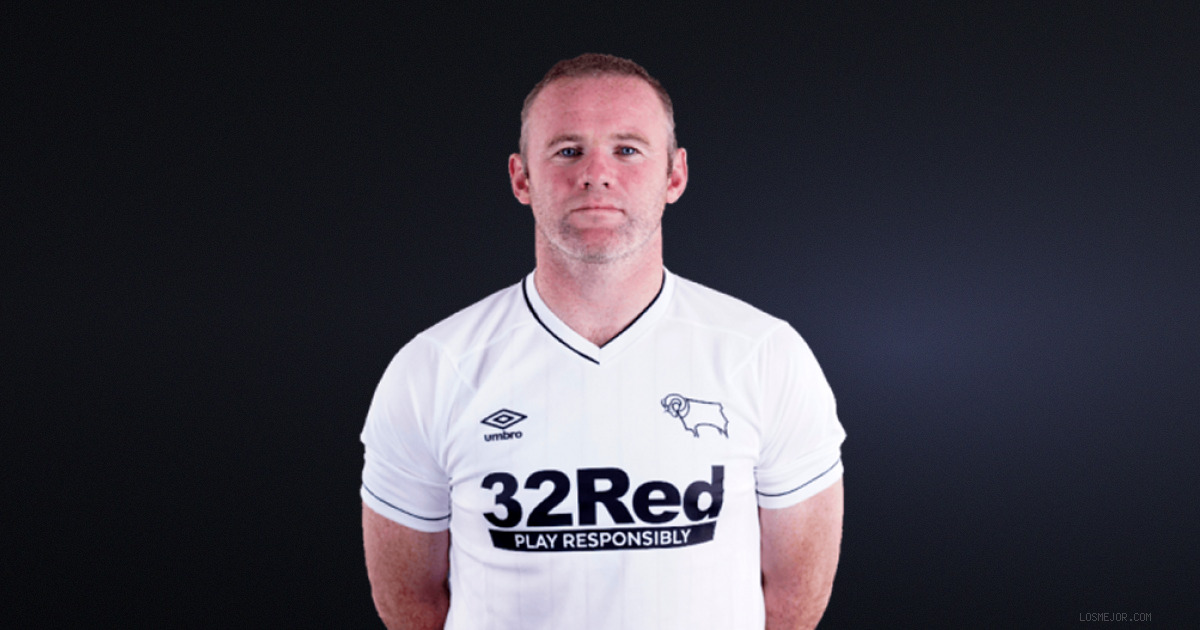
Wayne Rooney, the former England striker who made his name at Manchester United, has spoken candidly about a dark period during his playing career. In a recent interview on the Life At The Midpoint with Gabby Logan podcast, he admitted that at the height of his success he struggled with severe mental health challenges and even considered taking his own life.
Success on the Pitch, Struggle off It
Rooney’s career at Manchester United was defined by goal‑scoring exploits, leadership and a record of 253 league appearances. Yet, beneath the celebrations, he battled a mental health crisis that he kept hidden from the public eye. The former striker said that even as he celebrated trophies and personal milestones, he was dealing with intense pressure, anxiety and depression.
When the Pressure Became Too Much
He described spending two days at a time drinking at home, feeling isolated and unable to cope. Rooney admitted that during his lowest moments he contemplated suicide. He added that he did not want his eldest son, Kai, to witness him in such a state, which drove him to hide his struggles further.
Acknowledging the Need for Support
Rooney’s revelation underscores the importance of mental health support for professional athletes. He emphasized that he was selfish in keeping his pain private, yet he recognized the need to protect his family from the worst of his turmoil. His story adds to a growing list of former players who have come forward to discuss mental health issues.
Impact on the Football Community
The former England captain’s admission is likely to spark conversations about the pressures of elite football, the role of club support systems and the stigma that still surrounds mental health in the sport. His openness may encourage other players to seek help and reduce the isolation many feel when struggling.
Looking Forward: A Call for Change
Rooney’s experience highlights the need for clubs to implement comprehensive mental health programmes, provide access to professional counselling and foster an environment where players feel safe to speak openly. It also calls for the football community to shift from a culture that glorifies stoicism to one that values emotional wellbeing.
Rooney’s courage in sharing his story is a crucial step toward destigmatizing mental health in football. The footballing world must act now to provide robust support for players at all levels.
His disclosure signals a potential shift in how clubs approach player welfare, possibly leading to mandatory mental health resources and policy changes across leagues.
Frequently Asked Questions
No, this is the first time he has openly discussed his mental health challenges in a public setting.
Rooney has not publicly detailed his family’s reaction, but he indicated that protecting his son from seeing his struggles was a key reason for hiding his pain.
Many clubs now offer psychological support, counselling services and confidential helplines, though the extent of these resources varies across teams and leagues.