


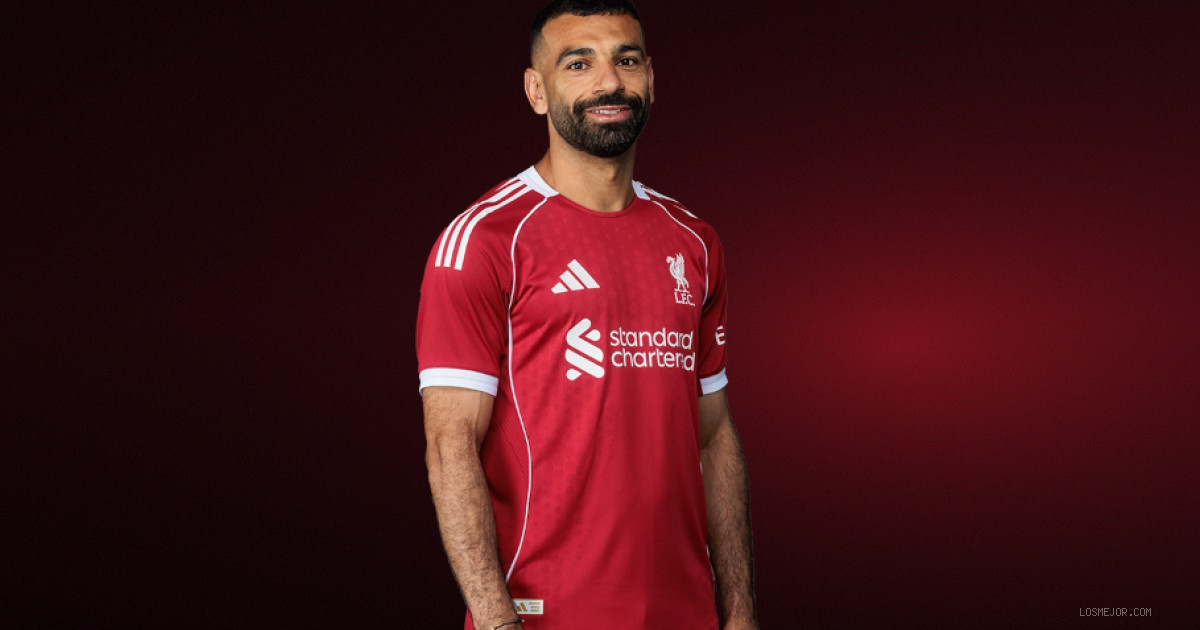
Former Liverpool forward Mohamed Salah faced a court ruling this week that will keep him off the road for half a year. Police in Wilmslow, Cheshire, recorded the Egyptian international driving a Rolls‑Royce at a speed well above the local limit in March. The court responded with a six‑month driving ban, a fine and three penalty points on his licence.
Details of the offence
According to the police report, Salah's vehicle was stopped by a speed‑monitoring camera on a stretch of the A538 that enforces a 30‑mph limit. The recorded speed was significantly higher, prompting the authorities to issue a summons. In court, the judge accepted the evidence and imposed the standard sanction for a first‑time serious speeding breach: a six‑month ban from driving, a monetary penalty and points that will stay on his record for four years.
Legal repercussions and precedent
In England, a six‑month ban is the typical maximum for a first offence that involves a substantial breach of the speed limit but does not endanger other road users to the degree that would merit a longer suspension. The fine is calculated based on the offender's earnings, but the exact amount was not disclosed. The penalty points will remain on Salah’s licence for four years, meaning any further infractions could trigger a longer ban.
Public reaction and media coverage
The news quickly spread across social media, with fans and pundits debating the impact on Salah’s reputation. While the footballing community generally separates on‑field performance from personal conduct, a high‑profile case such as this often fuels discussions about role models and responsibility. Some supporters expressed disappointment, noting that a player of Salah’s stature should set a better example. Others defended him, reminding the audience that the ban does not affect his eligibility to play, train or travel with his club.
Potential effect on sponsorships and image
Salah’s commercial partnerships, particularly those linked to luxury brands, could feel the ripple of negative press. Sponsors typically monitor public perception, and a driving ban may prompt a review of endorsement terms. However, no official statements from his current sponsors have been released, and the ban does not restrict his ability to appear in advertising campaigns.
What the ban means for his daily routine
During the six‑month suspension, Salah will need to rely on alternative transport for personal errands, though club arrangements for training and match travel remain unaffected. Most professional clubs provide drivers for players, so the practical impact on his football schedule is likely minimal. The ban does, however, serve as a public reminder that even elite athletes are subject to the same road laws as everyone else.
Looking ahead
With the ban set to expire in early 2027, Salah will be able to resume driving without further legal hindrance, provided he avoids additional offences. The incident may prompt him to adopt a more cautious approach behind the wheel, and it could also influence how clubs counsel their players on off‑field conduct.
Salah’s six‑month ban is a stark reminder that fame does not exempt anyone from the law. The punishment is proportionate, but the reputational hit could linger longer than the ban itself.
Tactically there is no impact - Salah can still train and play as usual. Strategically, the incident may nudge clubs to tighten off‑field education for high‑profile players.
Frequently Asked Questions
He was caught speeding in Wilmslow at a level that triggered a court‑imposed six‑month ban, a fine and three penalty points.
No, the ban only restricts his personal driving; clubs usually provide transport for training and matches.
While no sponsors have commented yet, negative publicity could lead partners to reassess endorsement terms.