

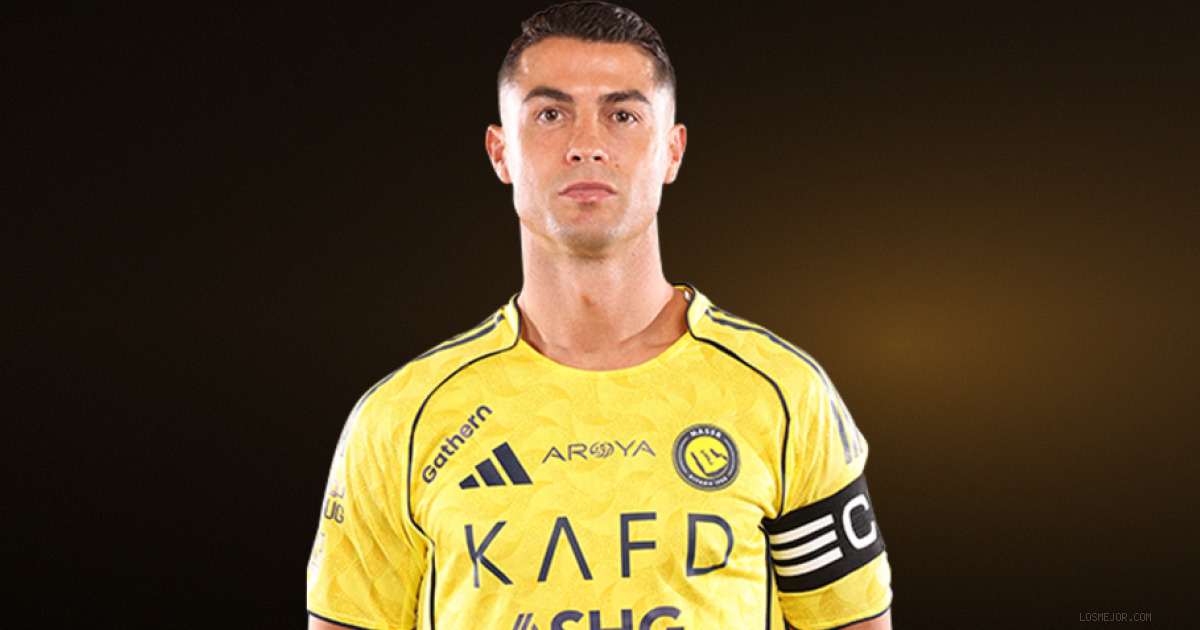
In a rare public outburst, Cristiano Ronaldo called for the harshest possible punishment for a growing trend of disrespectful chants aimed at Portugal’s own players. The five‑time Ballon d’Or winner demanded that any supporter who repeatedly invokes the name of the late Liverpool forward Diogo Jota in the vicinity of midfielder Ruben Neves should be handed a lifetime ban from stadiums.
Ronaldo’s Call to Action
Speaking at a press conference in Lisbon, Ronaldo said the chants were "a direct attack on the dignity of a teammate and a betrayal of the values that football stands for." He stressed that the Portuguese Football Federation (FPF) must act swiftly, adding that a one‑off warning would not be enough if the behaviour persisted.
Why the Chant Matters
The chant, which repeats Jota’s name in a mocking tone, has become a fixture at certain away fixtures where Portugal’s squad has played. While some fans claim it is a tribute, many interpret it as a taunt aimed at Neves, who shares a close friendship with the late striker. The emotional weight of the chant has grown, especially after Jota’s untimely death in a car accident two years ago.
Historical Precedents
Ronaldo’s demand is not without precedent. In 2022, the English FA introduced a three‑match ban for fans who engaged in racist chants, and in 2024 the Spanish league imposed a 10‑year ban on supporters caught making death threats. Those measures have shown that strict sanctions can deter extreme behaviour, but they also sparked debates about freedom of expression in stadiums.
Potential Repercussions
If the FPF adopts Ronaldo’s suggestion, clubs could face a logistical nightmare. Identifying repeat offenders would require enhanced CCTV coverage, facial‑recognition technology, and cooperation with local law enforcement. A lifetime ban would also affect season ticket holders, potentially reducing match‑day revenue for clubs that rely heavily on loyal fan bases.
Fan Reaction
Social media has erupted with mixed opinions. Some supporters applaud Ronaldo’s stance, calling the chant "unacceptable" and "a stain on Portuguese football culture." Others argue that the punishment is disproportionate, suggesting that education and dialogue would be more effective than a blanket ban. The debate reflects a broader tension between protecting player welfare and preserving the passionate, sometimes rowdy, atmosphere that defines football stadiums.
Looking Ahead
The FPF has not yet issued an official response, but a decision is expected within the next two weeks as the national team prepares for the upcoming Euro qualifiers. Whatever the outcome, Ronaldo’s intervention has forced the governing body to confront a growing issue that sits at the intersection of fan culture, player respect, and the sport’s global image.
Ronaldo’s demand may feel extreme, but it shines a necessary light on a chant that crosses the line from tribute to harassment. Football must protect its players, and a firm stance could reset the boundaries of acceptable fan behaviour.
If lifetime bans are introduced, clubs will need to invest in stronger identification systems, which could strain smaller venues financially. Strategically, the move could deter similar chants across Europe, raising the overall standard of fan conduct in international matches.
Preguntas Frecuentes
Ronaldo demanded that any supporter who repeatedly chants the late Diogo Jota’s name at teammate Ruben Neves should receive a lifetime ban from stadiums.
Fans use the chant as a mock tribute to Jota, but it is directed at Neves because of his close friendship with the late striker, making it feel like a personal attack.
The federation could impose lifetime stadium bans on repeat offenders, requiring clubs to enforce bans through enhanced security measures and coordination with law enforcement.