


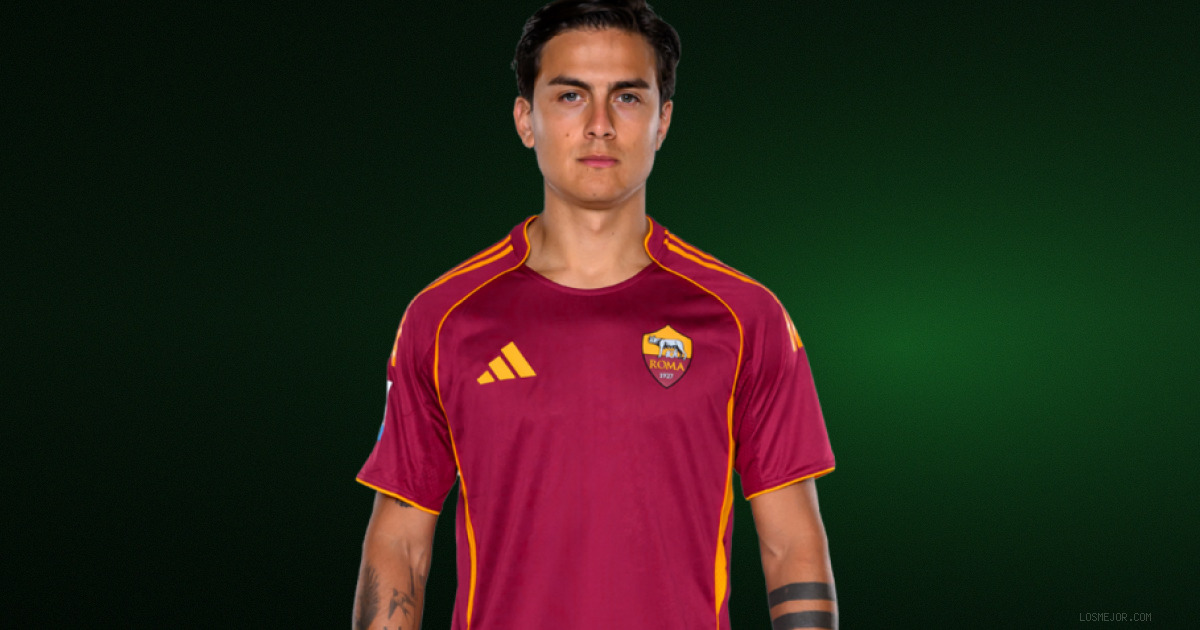
AS Roma’s recent Champions League clash with Real Madrid saw two key forwards hit the bench, but the club’s outlook remains cautiously optimistic. After a tight right calf was reported for Paulo Dybala, the forward was withdrawn at halftime and has since been cleared by his entourage from a major injury. In contrast, France international Manu Koné limped off after just 17 minutes with a right thigh issue, raising fresh concerns about the club’s midfield depth.
Dybala’s Calf Tightness: A Minor Setback or a Warning?
During the match at the Stadio Olimpico, Dybala felt tightness in his right calf and was substituted at halftime. Head coach Gian Piero Gasperini attributed the discomfort to fatigue, and the player’s camp confirmed on Thursday that the problem is unlikely to be serious. While Roma may not need to send him for further scans, he remains a possible doubt for the upcoming Serie A fixture against Genoa on Saturday.
Koné’s Thigh Injury: A History of Recurrence
Koné’s exit from the game was dramatic. He covered his face with his shirt as he left the pitch, signalling the severity of the strain. The Frenchman has a history of thigh problems: a second‑degree strain in January against Milan and a second‑degree hamstring tear in March versus Bologna. The medical team is awaiting tests to determine the exact nature of the injury and its expected recovery time.
Impact on Roma’s Midfield and Tactical Options
With Mile Svilar and Bryan Cristante already sidelined, losing Koné would leave the midfield severely under‑strength. Gasperini will need to rely on squad depth, possibly rotating players like Matteo Pessina or bringing in a less experienced option from the reserves. The absence of a central midfielder with Koné’s physicality could force the team to adopt a more defensive shape, especially in high‑pressure fixtures.
Implications for the Champions League and Serie A Campaigns
Roma’s Champions League group stage is a tight one, and the loss of a key midfielder could jeopardise their ability to progress. In Serie A, the team will face a tough home fixture against Genoa; the midfield’s resilience will be tested. The club’s management will need to decide whether to push Koné back into training early or adopt a cautious approach to avoid a longer layoff.
Looking Ahead: Test Results and Recovery Timeline
Once the medical tests are completed, the club will have a clearer picture of Koné’s recovery window. If the injury is a second‑degree strain, a 4‑6 week layoff is typical, whereas a hamstring tear could extend to 8‑12 weeks. Dybala’s return will depend on his physical readiness, but the club’s medical staff is optimistic that he can resume training soon.
Roma’s optimism about Dybala is justified, but the club can’t afford to underestimate Koné’s threat. The manager must prepare contingency plans now, or risk a mid‑season collapse in both competitions.
If Koné is ruled out for a month, Roma will have to shuffle midfield options, potentially dropping to a 4-5-1 or 4-4-2 to maintain balance. Dybala’s return will bolster the attack, but the squad’s overall depth will be tested.
Preguntas Frecuentes
Dybala had a right calf tightness but was cleared from a serious injury and is expected to return soon.
Koné limped off with a right thigh problem and is awaiting medical tests; recovery could take 4‑6 weeks if it is a second‑degree strain.
It depends on the test results; the club may need to adjust midfield options if Koné remains unavailable.